Part 1: Identification of Out-of-Specification (OOS) and the Investigation Process - A Comprehensive Review of the FDA Guidance and Requirements
Date: Aug 25th (2hrs)
Part 2: Conducting Out-of-Trend Investigations and Establishing CQA Using Risk Management
Date: Sep 8th (2hrs)
Part 3: Developing Investigation Plans and Writing Investigation Reports
Date: Sept 29th (2hrs)
Part 4: Laboratory Deficiencies and How to Minimize OOS/OOT
Date: Oct 13th (2hrs)
Overview
Out-of-Specification and Out-of-Trend investigation deficiencies remain among the leading causes of FDA Warning Letters in the pharmaceutical industry. Regulatory expectations are clear: every OOS result must be investigated thoroughly, consistently and with full documentation — yet many organizations continue to struggle with root cause analysis, inconsistent investigation processes and inadequate reporting that leaves them exposed during inspections.
This 4-part live training series provides a complete, structured review of OOS and OOT investigation practices, from the FDA Guidance for Industry through to documentation, CAPA, performance metrics and key performance indicators. Each session builds on the previous one, giving analysts, QA and QC professionals a practical and regulatory-grounded framework they can apply directly to their own programs. And because every session is delivered live, attendees have direct access to Kim to ask questions specific to their own investigations and challenges in real time.
Part 1 of 4
Identification of Out-of-Specification (OOS) and the Investigation Process
A Comprehensive Review of the FDA Guidance and Requirements
Date: Tuesday August 25, 2026
Time: 10:30 AM – 12:30 PM ET (New York Time)
The first session will discuss the FDA Guidance for Industry on OOS/OOT investigation in detail. Once an OOS value is discovered, one needs to confirm if it is caused by the measurement or the manufacture. Root cause analysis must be performed as well as determine necessary corrective action and preventive action. As testing becomes critical to determine the cause of OOS results, the investigation process will be discussed.
Learning Benefits
- Identifying and assessing OOS test results.
- Phase I: Laboratory Investigation.
- Phase II: Full Scale OOS Investigation.
- Identify root causes.
- CAPA and follow up.
Webinar Outline & Time Breakdown
10:15 AM - Log-In Period
10:30 AM - Introduction
- GMP requirements for investigations
- Identifying and assessing OOS test results
- Phase I: Laboratory Investigation
11:30 AM
10 Minute Break
- Phase II: Full Scale OOS Investigation
- Identify root causes
- CAPA and follow up
12:30 PM
- Live Questions & Discussion
Part 2 of 4
Conducting Out-of-Trend Investigations and Establishing CQA Using Risk Management
Date: Tuesday September 08, 2026
Time: 10:30 AM – 12:30 PM ET (New York Time)
In the second session, live discussion will include OOT for stable and changed properties of drug products to establish trend to monitor product profile. Risk assessments will be introduced to determine critical quality attributes and how to work with cross-functional team to continuously improve the product.
Learning Benefits
- Recognize different types of OOT results.
- Establish trend for release and stability data.
- Understand risk assessments to determine Critical Quality Attribute (CQA).
- Determine course of actions to process.
- Understand cross-functional investigation.
- Monitoring product trends to avoid OOS.
Webinar Outline & Time Breakdown
10:15 AM - Log-In Period
10:30 AM - Introduction
- Recognize different types of OOT results
- Establish trend for release and stability data
- Understand risk assessments to determine Critical Quality Attribute (CQA)
11:30 AM
10 Minute Break
- Determine course of actions to process
- Understand cross-functional investigation
- Monitoring product trends to avoid OOS
12:30 PM
- Live Questions & Discussion
Part 3 of 4
Developing Investigation Plans and Writing Investigation Reports
Date: Tuesday September 29, 2026
Time: 10:30 AM – 12:30 PM ET (New York Time)
The third session will cover the documentation for OOS investigation, which is one of the main causes of Warning Letters. Discussion will include how an investigation plan is designed, acceptance criteria are set and timelines and responsibilities are determined. This live session will also introduce the content of an investigation report.
Learning Benefits
- Design a systematic investigation plan.
- Determine root causes.
- Components of an investigation report.
- Timelines and responsibilities.
- Establish Corrective Actions and Preventive Actions.
Webinar Outline & Time Breakdown
10:15 AM - Log-In Period
10:30 AM - Introduction
- Design a systematic investigation plan
- Define roles and responsibilities of transfer team
- Determine root causes
- Establish acceptance criteria for investigation
11:30 AM
10 Minute Break
- Components of an investigation report
- Timelines and responsibilities
- Establish Corrective Actions and Preventive Actions
12:30 PM
- Live Questions & Discussion
Part 4 of 4
Laboratory Deficiencies and How to Minimize OOS/OOT
Date: Tuesday October 13, 2026
Time: 10:30 AM – 12:30 PM ET (New York Time)
This live training program will conclude with a session that discusses the deficiencies in this area. It will bring the discussion on CAPA and how ruggedness must be built into the analytical procedure to prevent OOS occurrences. It will also cover the performance metrics as well as discuss the key performance indicators through metrics, so system performance can be determined.
Learning Benefits
- Review regulatory deficiencies to establish investigation process.
- Build ruggedness into the analytical procedures to prevent OOS occurrences.
- Build compliance into the investigation process to minimize OOS.
- Determine Key Performance Indicators (KPI) to monitor process.
- Establish documentation and performance metrics.
Webinar Outline & Time Breakdown
10:15 AM - Log-In Period
10:30 AM - Introduction
- Review GMP requirements and regulatory expectations
- Review regulatory deficiencies to establish investigation process
- Build ruggedness into the analytical procedures to prevent OOS occurrences
- Build compliance into the investigation process to minimize OOS
11:30 AM
10 Minute Break
- Determine Key Performance Indicators (KPI) to monitor process
- Establish documentation and performance metrics
- Maintain compliance throughout product lifecycle
12:30 PM
- Live Questions & Discussion
This 4-Part Live Training Program includes the following for each registered attendee:
- A copy of the presentation slides
- A certificate of training for attendee training records
Who Should Attend
The following individuals or disciplines will benefit from attending this webinar:
- Quality Assurance Personnel
- Quality Control Personnel
- Research & Development
- Validation
- Auditors
-
Regulatory Affairs Professionals
Know Your Faculty
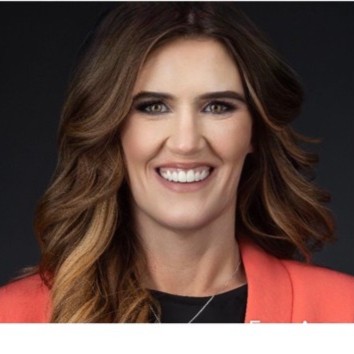
Kelly Thomas, Head Of Quality Assurance (USA)
A seasoned Quality Assurance, Quality Control, and Regulatory Compliance leader with 25+ years of experience across API, biologics, medical devices, and combination products. Extensive expertise in aseptic and terminally sterilized manufacturing, along with all major dosage forms.
Proven track record of leading facility start-ups and successfully managing global regulatory inspections, including FDA and international agencies. Known for building strong quality systems, supplier management programs, and audit readiness frameworks.